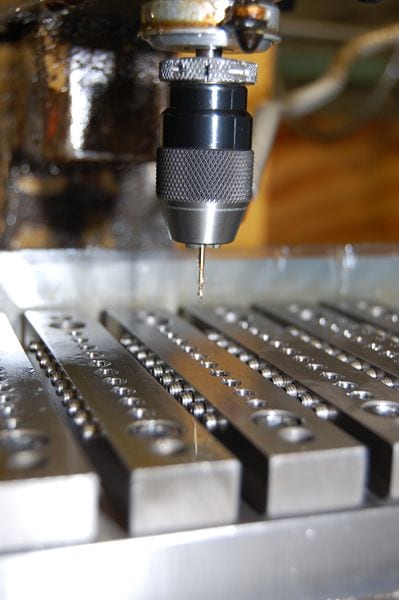
Tooling selection has a direct influence on how a CNC milling machine performs. The cutter’s shaping specifications, material, coating, and setup determine how the machine interacts with the workpiece, how the chip forms, and how accurately the final part matches its intended dimensions. When tooling is chosen correctly, the milling process becomes stable, predictable, and efficient. When tooling is mismatched to the material or operation, issues such as chatter, poor surface finish, dimensional drift, or premature tool wear can appear.
Key Takeaways: Tooling Choices That Affect CNC Milling Machine Results
- Tool geometry shapes chip formation — The cutter’s design influences cutting pressure and surface finish.
- Tool material affects wear resistance — Carbide, HSS, and specialty materials behave differently under load.
- Coatings support heat control — Surface treatments help manage friction and temperature.
- Toolholder stability impacts accuracy — Secure clamping reduces vibration and dimensional variation.
- Feed and speed settings must match the tool — Proper parameters support predictable cutting behavior.
How Tool Shaping Influences Cutting Performance
Tool shaping determines how the cutter engages the material. Features such as helix angle, flute count, and edge prep influence chip evacuation, cutting pressure, and surface finish. A higher helix angle can reduce vibration in softer materials, while lower helix angles may be better suited for harder alloys. The geometry must match the material and the type of cut, whether it’s slotting, profiling, or finishing to maintain stable tool engagement and predictable part accuracy.
 Tool Material and Its Impact on Wear
 Tool Material and Its Impact on Wear
Tool material determines how well the cutter withstands heat, pressure, and abrasion. Carbide tools offer strong wear resistance and are suitable for high-speed operations, while high speed steel may be used for lower-speed cuts or specific applications. Specialty materials and blends can support demanding operations where heat buildup or abrasive wear is a concern. Choosing the correct tool material helps maintain dimensional stability and reduces downtime caused by premature wear.
How Tool Length and Rigidity Influence Cutting Stability
Tool length plays a major role in how the cutter behaves during milling. Longer tools can introduce deflection, especially during heavy cuts or when machining harder materials. This movement affects dimensional accuracy and surface finish. Shorter tools provide better rigidity, helping the machine maintain predictable tool engagement. Choosing the correct tool length for the operation supports stable cutting behavior and reduces the chance of vibration or chatter. Understanding how tool rigidity interacts with machine stability helps maintain consistent results across different materials and geometries.
Tooling Factors That Influence CNC Milling Results
- Coating selection — Coatings such as TiN or TiAlN help reduce friction and manage heat.
- Toolholder type — Collet, hydraulic, or shrink fit holders influence rigidity and vibration control.
- Runout control — Minimizing runout supports consistent cutting pressure and surface finish.
- Chip evacuation — Proper flute design and coolant flow help prevent recutting and tool damage.
- Tool length — Shorter tools reduce deflection and support tighter tolerances.
How Coatings Support Heat and Friction Control
Coatings help manage the heat generated during cutting. They reduce friction between the tool and the workpiece, allowing the cutter to maintain sharper edges for longer periods. Coatings also support chip flow, helping prevent buildup that can cause surface defects. When the coating matches the material and operation, the milling process becomes more stable and predictable.
Toolholder Stability and Its Effect on Accuracy
Toolholders play a major role in how the cutter interacts with the material. A rigid toolholder reduces vibration, supports consistent tool engagement, and helps maintain dimensional accuracy. Poor clamping or excessive runout can lead to chatter, uneven surfaces, or dimensional variation. Stable toolholding supports smoother cuts and longer tool life.
CNC Milling Machine Services for Your Project
Tooling choices directly influence CNC milling machine results. When geometry, material, coating, and toolholding are selected to match the material and operation, manufacturers achieve stable cutting behavior, improved surface finish, and predictable dimensional accuracy. Proper tooling supports efficiency, reduces rework, and helps maintain long-term machine performance. Improve accuracy, reduce downtime, and streamline production with CNC milling machine support from M.A.R.’s Engineering. Contact us today to get started!