Metal Polishing, Finishing, Plating, & Light Assembly
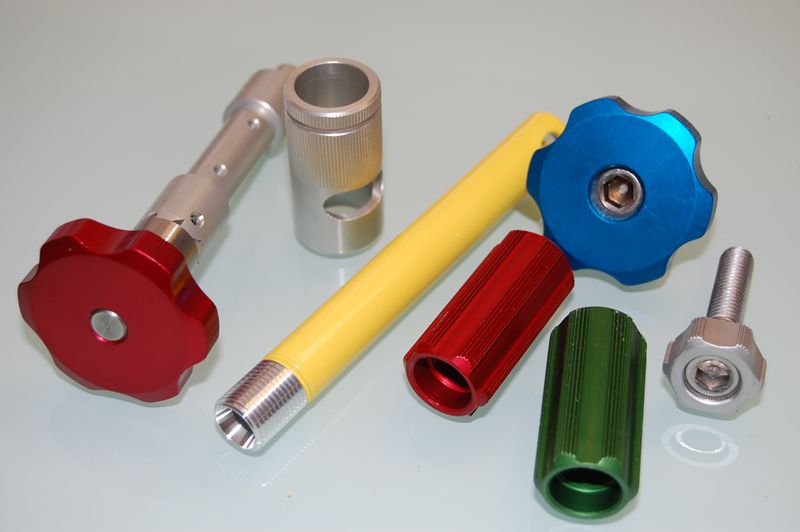
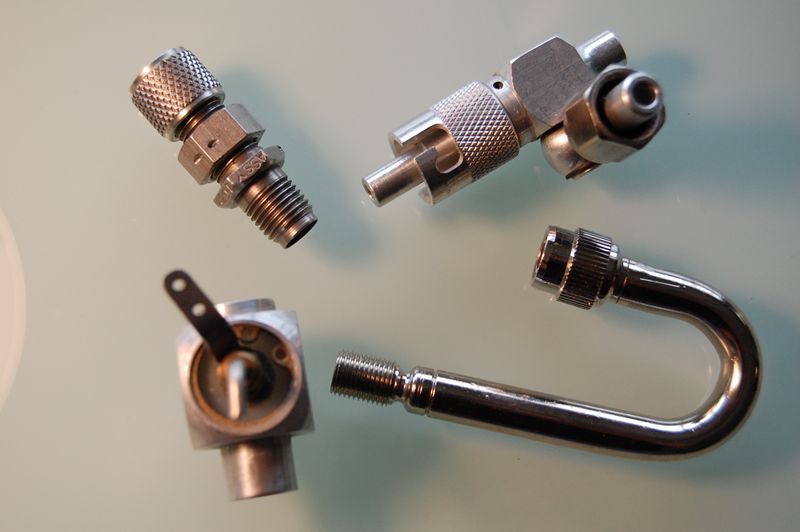
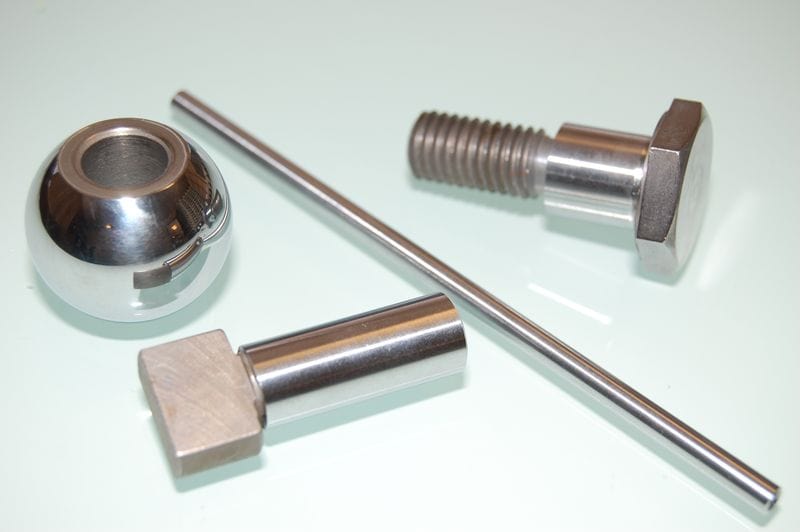
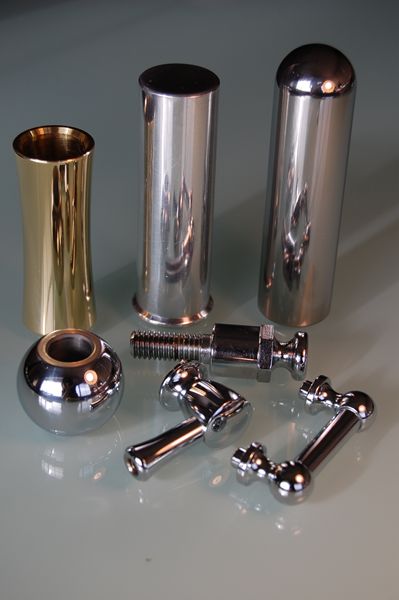
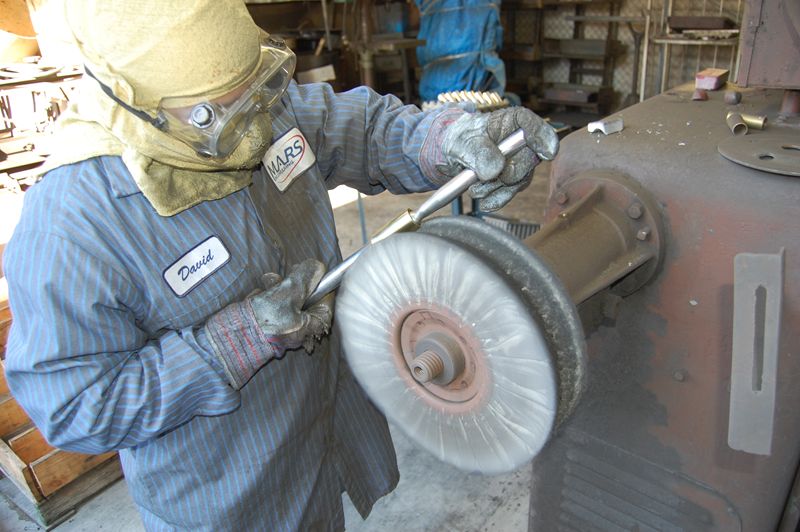
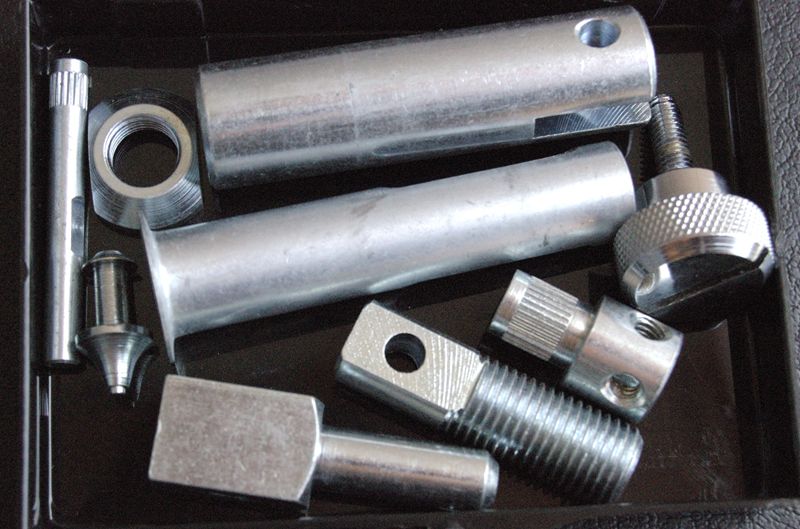
We provide an extensive range of metal finishing as well as plating services for our screw machined parts and components. With an in house metal polishing department and a wide variety of machinery focused purely on finishing/second operations we have the equipment and expertise to perform finishing operation on our customers parts quickly and cost effectively.
In addition to our extensive second operations and finishing department we have a strong network of post production plates and heat treaters that we can leverage for our customers. Whether it be Hard Chroming, Chroming, Zinc Oxide, Black-Oxide, Nickel plating, anodizing, passivating, carbonizing, Heat treating, etc.. Our deep connections with our outside service providers allows us to 1-3 day turn arounds with little to no expediting charge.
Process Selection for Functional and Cosmetic Requirements
Different finishing and plating methods support different performance goals, and selecting the correct process is essential for part reliability. Corrosion resistance, wear protection, electrical conductivity, lubricity, and cosmetic appearance all influence which finish is most appropriate. M.A.R.’s Engineering evaluates part geometry, base material, and end use conditions to match each component with the most suitable finishing method, ensuring consistent performance in demanding environments.
Surface Preparation for Consistent Coating Quality
Achieving uniform plating thickness and stable adhesion begins with proper surface preparation. Cleaning, degreasing, and controlled abrasion remove contaminants that interfere with coating performance. For parts requiring tight dimensional control, preparation steps are calibrated to maintain geometry while still producing a surface profile that supports reliable bonding. This approach ensures that coatings perform consistently across large production runs.
Dimensional Considerations for Finished Components
Finishing and plating processes can influence part dimensions, especially when coatings add measurable thickness. M.A.R.’s Engineering accounts for these changes during machining and inspection to ensure that final dimensions meet customer requirements. This is particularly important for threaded components, mating surfaces, and assemblies where coating buildup must be controlled to maintain proper fit and function.
Integration With Multi Step Manufacturing Workflows
Finishing and plating often serve as the final stage in a multi operation process. By coordinating machining, deburring, polishing, and coating schedules, M.A.R.’s Engineering reduces handling time and ensures that parts move efficiently through each stage. This integrated approach supports consistent quality, predictable lead times, and streamlined production for both prototype and high volume orders.
Quality Assurance for Finished and Plated Parts
Inspection plays a critical role in verifying coating thickness, surface finish, and dimensional accuracy. ISO compliant procedures, calibrated instruments, and dedicated inspection personnel ensure that each part meets customer specifications before shipment. This includes verifying surface roughness, checking for uniform coverage, and confirming that heat treated components meet required hardness levels.
Metal Polishing & Secondary Service FAQ
How Do You Determine Which Finish or Plating Method Is Best for a Part?
Selection is based on performance requirements such as corrosion resistance, wear protection, conductivity, or cosmetic appearance, along with the base material and part geometry.
Can Finishing Processes Affect Part Dimensions?
Yes. Coating thickness can influence critical features, and adjustments are made during machining and inspection to maintain final dimensional accuracy.
Do You Handle Both Prototype and Production Quantities?
Yes. Flexible scheduling and in house finishing capabilities support small batch prototypes as well as high volume production runs.
How Do You Ensure Consistent Quality Across Different Metal Polishing & Finishing Methods?
ISO compliant inspection procedures, calibrated instruments, and controlled preparation steps ensure uniform results across all metal polishing, finishing, and plating processes.
Industries Served

Music

Automotive

Chip Manufacturing

Food Processing

Heating and Cooling

Transportation

Electrical/
Utilities

Medical
Since we opened in 1964 we have and continue to serve a wide variety of industries. In that time we have worked with a wide variety of materials and have faced a wide variety of machining challenges. Let our almost 60 years of problem solving work for you!
Capabilities
| Finishing Services | Alodine Plating Anodizing Black Oxide Plating Chrome Plating Gold Plating Hard Chrome Plating Micro Sand Blasting Nickel Plating Passivation Polishing Powder Coating Teflon Plating Tumble Deburring and Polishing Zinc Plating |
| Surface Roughness | 16 Ra |
| Plating Thickness | 0.004 mm |
| Abrasive Media Used | Ceramic Corn Cob Plastic Steel Shots Walnut Shells Wood |
| Heat Treating | Aluminum Heat Treating Bright Annealing Carbon Restoration Carbonitriding Carburizing Cryogenic Treating Gas Nitriding Homogenizing Hydrogen Heat Treating Induction Hardening Neutral Hardening Nitrowear Normalizing Precipitation and Age Hardening Sand or Glassbead Blasting Solution Treating Spheroidzing Straightening Stress Relieving Tempering Tool and Die Hardening |
| Inspection Process | ISO Compliant Comply with Mil-1-45208A Full time inspector to insure quality Comparators, Microscopes, and other inspection measuring devices plus instruments |
| Industries Served | Agriculture Communications Computer Electronics Food Processing Heating and Cooling Marine Medical Ordinance Recreational Transportation |
Equipment Specifications
| 2 - Polishing wheels |
|
| 9 - Bradmatic Finishing lathes |
|
| 8- Harding Indexable Finishing Lathes |
|
| 3 - Tumbling | Horizontal Tumbling Barrels Standard barrel diameter of: 20" 30 36" |
| 1- Sand/ media plasting |
|
| 1- Ultrasonic deburr/clearer |