CNC Milling Machine Services
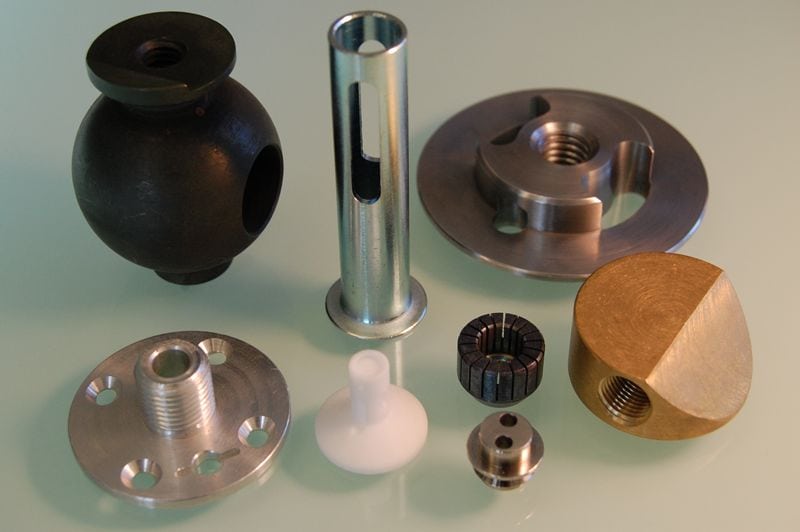
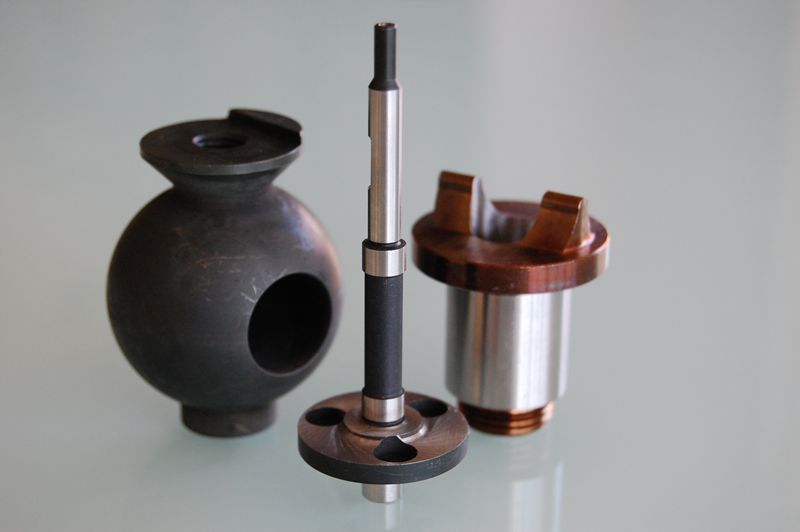
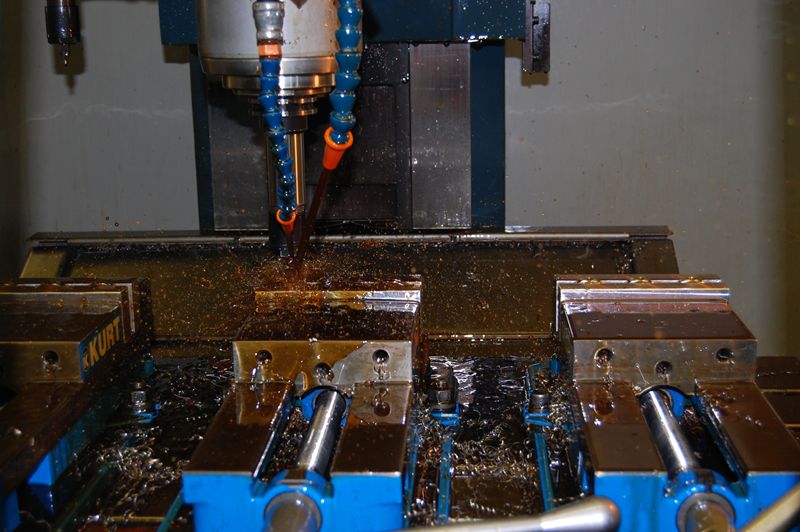
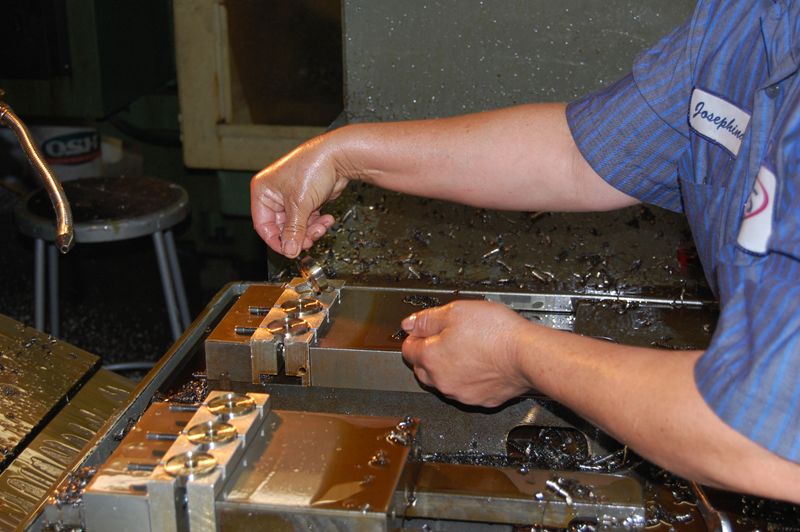
At M.A.R.’s Engineering, our CNC milling machine service delivers high-quality, custom-machined components for industries such as aerospace, automotive, and industrial manufacturing. While we often use CNC milling to perform secondary operations on parts produced by our screw machines and CNC lathes, we also excel in producing complex parts and prototypes directly from raw material. With our in-house capabilities, we eliminate the need for outside vendors, reducing lead times, minimizing administrative overhead, and avoiding unnecessary markups. We also offer advanced 4-axis milling for intricate designs and improved efficiency.
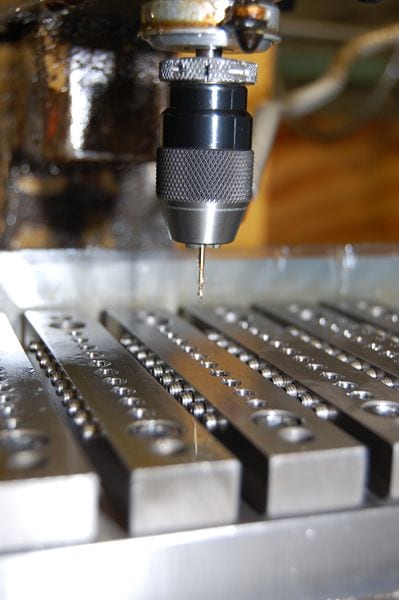
We leverage our CNC milling equipment in two primary ways. First, we use part indexers to rotate individual parts a full 360 degrees, allowing for multiple operations without removing the part from the machine, reducing setup time and improving accuracy. Second, we use table indexers to mount tombstones, enabling us to fixture multiple parts in a single setup. This dramatically reduces loading time and increases throughput, making our CNC milling process ideal for both prototype quantities and medium-to-large production runs.
Dimensional Control and Inspection Practices
To maintain accuracy across prototype and production quantities, machined parts undergo in process verification and final dimensional checks. Tool offsets, wear compensation, and probing routines are used to maintain consistency during extended runs. This approach supports components that require stable tolerances across multiple features, including bores, slots, and mating surfaces used in assemblies or mechanical systems.
Material Versatility for Machined Components
CNC milling supports a wide range of materials used across industrial applications. Aluminum, stainless steel, carbon steel, and brass are commonly machined for housings, brackets, fixtures, and precision components. Material selection is matched to part geometry, required strength, and downstream finishing needs, ensuring that each component performs reliably in its intended environment.
Production Scalability for Varying Order Sizes
The combination of part indexers, table indexers, and multiple machine platforms allows M.A.R.’s Engineering to scale production efficiently. Prototype quantities benefit from fast setup and flexible fixturing, while medium to large runs leverage multi part tombstone arrangements and automated indexing to reduce handling time. This structure supports consistent throughput without compromising accuracy.
CNC Milling Machine FAQ
How Does 4 Axis Milling Improve Part Accuracy?
Rotational positioning allows multiple features to be machined in a single setup, reducing handling and maintaining alignment between critical surfaces.
Are CNC Milling Machine Services Suitable for Prototype Quantities?
Yes. Flexible fixturing and efficient programming support rapid prototyping while maintaining consistency for later production runs.
How Do You Maintain Dimensional Accuracy Across Long Production Runs?
Tool wear compensation, probing routines, and controlled CNC milling machine parameters ensure stable tolerances throughout extended cycles.
Industries Served

Music

Automotive

Chip Manufacturing

Food Processing

Heating and Cooling

Transportation

Electrical/
Utilities

Medical
Since we opened in 1964 we have and continue to serve a wide variety of industries. In that time we have worked with a wide variety of materials and have faced a wide variety of machining challenges. Let our almost 60 years of problem solving work for you!
Equipment Specifications
| 3- Haas VF2/VF2SS with part indexer |
|
| 2- Haas VF2/VF0 with table indexer |
|
| 1- Akira Seiki Performa V3 with part Indexer |
|
| 2- Haas VF2/VF2SS |
|
| 1- Haas OM2A |
|
| 1- Flow Maxiem |
|